
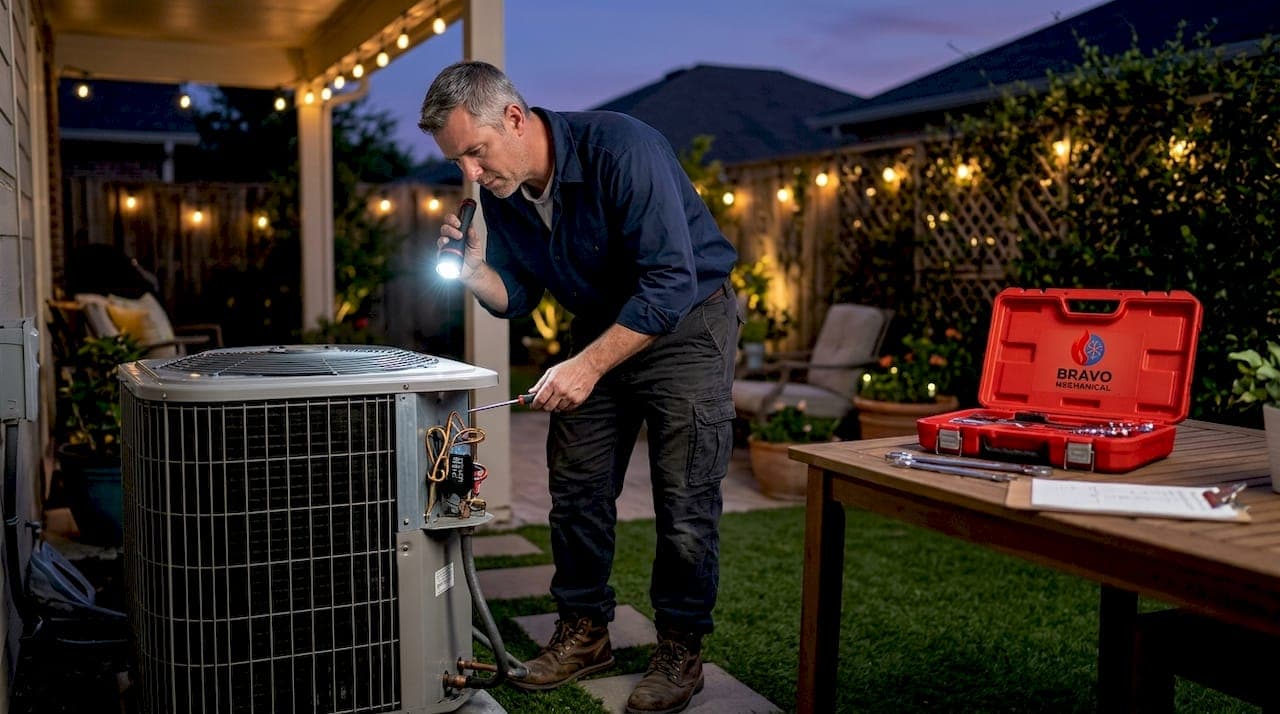
Your furnace dies at 11 PM in January. Your AC quits during a July heat advisory. These aren't hypothetical scenarios for most homeowners and business owners in Westchester County. They're the kind of real situations where understanding the after hours HVAC service benefits stops being abstract and starts being the difference between a rough night and a dangerous one. This article breaks down exactly what you get when you call for emergency HVAC service outside normal business hours, what it costs, and how to make the most of it.
Table of Contents
- Key takeaways
- 1. After hours HVAC service benefits start with rapid emergency response
- 2. What you should expect to pay for after-hours service
- 3. Comfort and health protection you cannot put off
- 4. Comparing after-hours service to standard daytime service
- 5. How to choose and use after-hours HVAC service wisely
- My honest take on after-hours HVAC service
- Bravomechanicalny is ready when your system is not
- FAQ
Key takeaways
| Point | Details |
|---|---|
| Rapid response protects health | After-hours HVAC service addresses gas leaks, CO alarms, and dangerous temperature extremes that cannot wait until morning. |
| Expect higher service costs | After-hours calls typically add $150 or more in fees on top of standard labor and diagnostic charges. |
| Triage systems improve response | Live dispatch triage separates true emergencies from routine calls, getting the right technician to you faster. |
| Maintenance reduces emergencies | Twice-yearly HVAC maintenance cuts breakdown risk significantly and extends system life by years. |
| Not every issue qualifies | Knowing when to call after hours versus waiting saves money and helps providers prioritize genuine emergencies. |
1. After hours HVAC service benefits start with rapid emergency response
When your heating or cooling system fails outside of the 8-to-5 window, the clock starts immediately. After-hours HVAC service exists specifically to cover that gap, and the core benefit is straightforward: a trained technician shows up when you actually need one, not the next business morning.
24-hour HVAC services cover situations that genuinely cannot wait. Think no heat during a below-freezing night, a CO alarm triggered by a malfunctioning furnace, a gas leak near HVAC equipment, or an AC failure during a dangerous heat wave. These are not inconveniences. They are health and safety events.
What separates a good after-hours provider from a mediocre one is how they handle the call before a technician ever leaves the shop. Live triage in under 90 seconds separates true emergencies from calls that can wait until morning, which means the technician dispatched to you is focused on your situation, not spread thin across a backlog of non-urgent calls.
- No heat in winter: Dangerous for elderly residents, infants, and anyone with respiratory conditions
- AC failure in extreme heat: Heat-related illness can develop quickly, especially in upper-floor rooms
- Gas or CO events: Require immediate professional response, not a next-day appointment
- Electrical faults in HVAC systems: Fire risk that should never be left overnight
Pro Tip: When you call for after-hours service, be specific about symptoms. Tell the dispatcher whether you smell gas, hear unusual sounds, or see warning lights. This helps triage route your call correctly and gets the right technician to you faster.
2. What you should expect to pay for after-hours service
Cost is the part most people do not think about until the invoice arrives. After-hours HVAC repair costs more than daytime service, and that is not arbitrary. It reflects real operational expenses that providers absorb to keep technicians available around the clock.
Burdened labor rates rise about 1.5x the standard hourly rate when overtime, truck fuel, and dispatch overhead are factored in. A realistic after-hours invoice might look like this:
| Cost Component | Typical Amount |
|---|---|
| After-hours service fee | $149 to $175 |
| Labor (2 to 3 hours) | $130 to $195 |
| Parts | $50 to $150+ |
| Estimated total | $330 to $520+ |
A real example invoice totaled $413, broken down as $175 in labor, a $149 service fee, and $89 in parts on a 2.5-hour call. That is a useful benchmark for what a mid-range after-hours repair actually costs.
Here is what to watch for when evaluating a quote:
- Flat service fees listed upfront are a good sign. Vague "after-hours rates may apply" language is not.
- Travel time billing varies by provider. Ask whether drive time is included in the service fee or billed separately.
- Diagnostic fees should be disclosed before the technician arrives, not after.
- Parts markup is standard, but ask if the provider shows you the part cost on the invoice.
Pro Tip: Ask any after-hours HVAC provider to confirm their fee structure before dispatch. A reputable company will tell you the service call fee, the after-hours labor rate, and whether parts are marked up. If they cannot answer those questions clearly, that tells you something important.
3. Comfort and health protection you cannot put off
Beyond the obvious convenience, after-hours HVAC service delivers something harder to quantify but easy to feel: the ability to stay in your home safely and comfortably without waiting 12 or more hours for help.
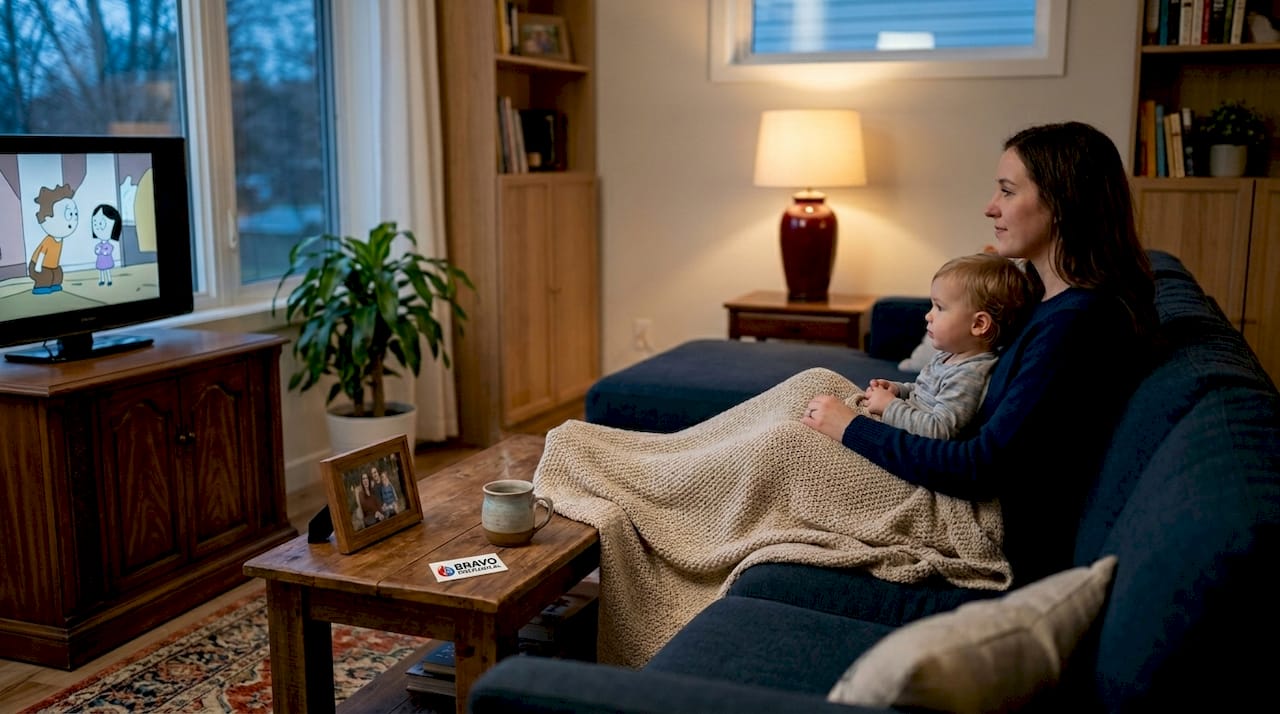
Round-the-clock AC repair protects vulnerable household members from heat-related risks and maintains indoor air quality when systems malfunction. For families with young children, elderly relatives, or anyone with asthma or heart conditions, this is not a luxury. It is a medical consideration.
For business owners, the stakes are different but equally real. A restaurant that loses refrigeration overnight faces food safety issues. A medical office that loses climate control on a summer night faces equipment and patient record risks. A retail space without working heat in winter may not be able to open the next morning. After-hours heating service keeps operations from grinding to a halt because of a preventable overnight failure.
The comfort benefits also include something less dramatic: the ability to schedule repairs at times that do not disrupt your workday. Some providers offer after-hours windows for non-emergency maintenance, which means you can get your system serviced in the evening without taking time off work.
4. Comparing after-hours service to standard daytime service
Understanding the trade-offs helps you make smarter decisions about when to call and when to wait.
| Factor | Standard Hours | After-Hours Service |
|---|---|---|
| Availability | Weekdays, 8 AM to 5 PM | Evenings, weekends, holidays |
| Response time | Same day or next day | 1 to 3 hours typically |
| Labor cost | Standard rate | 1.5x standard rate or higher |
| Service fee | $75 to $125 | $149 to $175+ |
| Best for | Routine repairs, maintenance | True emergencies, urgent failures |
After-hours calls earn about 45% less per hour than daytime calls for the provider, once travel time and overtime are factored in. That matters to you because it explains why some companies price aggressively for after-hours work and others limit their availability to avoid unprofitable dispatches.
The best providers use technology to close this gap. Professional after-hours dispatch with emergency triage can increase booked job volume by 8 to 14% within 90 days, which means more revenue to offset costs without raising rates. When a provider invests in live answering and smart dispatch, you benefit through faster response and more consistent service quality.
When is after-hours service worth it?
- Your home or business is genuinely unsafe or uninhabitable
- Vulnerable people are at risk from temperature extremes
- A business operation will be significantly disrupted by morning
- The system failure involves gas, CO, or electrical risk
When might you wait until morning?
- The system is underperforming but still running
- The weather is mild and the discomfort is manageable
- The repair is cosmetic or non-urgent
5. How to choose and use after-hours HVAC service wisely
Getting the most out of after-hours HVAC service comes down to preparation and knowing the right questions to ask before you are in the middle of a stressful situation at midnight.
Twice-yearly HVAC maintenance in spring and fall reduces emergency call risk significantly and extends system lifespan by 30 to 40%. The single best way to reduce your after-hours repair bills is to avoid the emergency in the first place. Scheduled preventative HVAC maintenance catches failing components before they leave you without heat on a cold night.
When you do need to call after hours, here is how to handle it well:
- Confirm the fee structure upfront. Ask for the after-hours service fee, the hourly labor rate, and whether diagnostic fees apply before the technician is dispatched.
- Describe the problem clearly. The more specific you are, the better the triage team can assess urgency and send the right technician with the right parts.
- Ask about estimated arrival time. A reliable provider gives you a realistic window, not a vague "someone will be there soon."
- Know your system basics. Have your equipment model, age, and any recent repair history ready. This speeds up diagnosis.
- Ask about coverage options. Some HVAC companies offer service agreements that include after-hours calls at reduced fees.
Pro Tip: Save your HVAC provider's after-hours number in your phone before you need it. When your heat fails at midnight, the last thing you want to do is search for contact information while your house gets colder.
My honest take on after-hours HVAC service
I have been on enough late-night calls and talked with enough homeowners in real distress to say this plainly: after-hours HVAC service is genuinely worth it when you actually need it. The problem is that people often either underuse it out of cost anxiety or overuse it for situations that could have waited.
The cost is real. You will pay more. But I have seen what happens when someone tries to tough out a January night without heat in a Westchester home, and no amount of extra blankets makes up for a failing furnace at 2 AM with a three-year-old in the house. The premium is the price of peace of mind and physical safety.
What I tell people is this: if you are asking yourself whether the situation qualifies as an emergency, describe it out loud to the dispatcher and let them help you decide. A good triage system handles that conversation every night. You are not bothering anyone by calling.
The other thing I have learned is that the homeowners who rarely need after-hours service are almost always the ones who keep up with scheduled HVAC maintenance. Preventive care is not glamorous, but it is far cheaper than an emergency dispatch on a holiday weekend.
— Brahyan
Bravomechanicalny is ready when your system is not
When your HVAC system fails after hours in Westchester County, you need a local team that actually picks up the phone and sends someone who knows what they are doing.
Bravomechanicalny provides emergency HVAC repair across Westchester County, including Yonkers, Scarsdale, New Rochelle, and surrounding communities. Their certified technicians respond to heating and cooling failures with the diagnostic depth and communication that earns a 5.0 Google rating. Whether you are a homeowner dealing with a furnace that quit overnight or a business owner who cannot afford to open without working climate control, Bravomechanicalny has the local expertise to fix it right the first time. Explore their full HVAC services in Westchester or call to schedule service today.
FAQ
What counts as an after-hours HVAC emergency?
True emergencies include complete heating or cooling failure in extreme weather, gas leaks, CO alarms, and electrical faults in HVAC equipment. If the situation poses a health or safety risk, it qualifies for after-hours dispatch.
How much more does after-hours HVAC service cost?
Expect to pay a service fee of $149 to $175 on top of standard labor and parts costs, with labor rates running about 1.5x the daytime rate. A typical after-hours repair invoice runs between $330 and $520 depending on the issue.
Does regular maintenance really reduce after-hours calls?
Yes. Twice-yearly maintenance reduces breakdown risk significantly and extends system lifespan by 30 to 40%, which directly lowers the likelihood of an emergency call.
How fast does an after-hours HVAC technician typically arrive?
Most reputable providers target a 1 to 3 hour response window for after-hours calls. Live triage systems that assess calls in under 90 seconds help prioritize dispatch and improve arrival times for genuine emergencies.
Is after-hours HVAC service available for commercial properties?
Yes. Commercial clients often have even more at stake from overnight failures. Many HVAC contractors, including Bravomechanicalny, offer commercial HVAC emergency service to keep businesses operational regardless of when a system goes down.